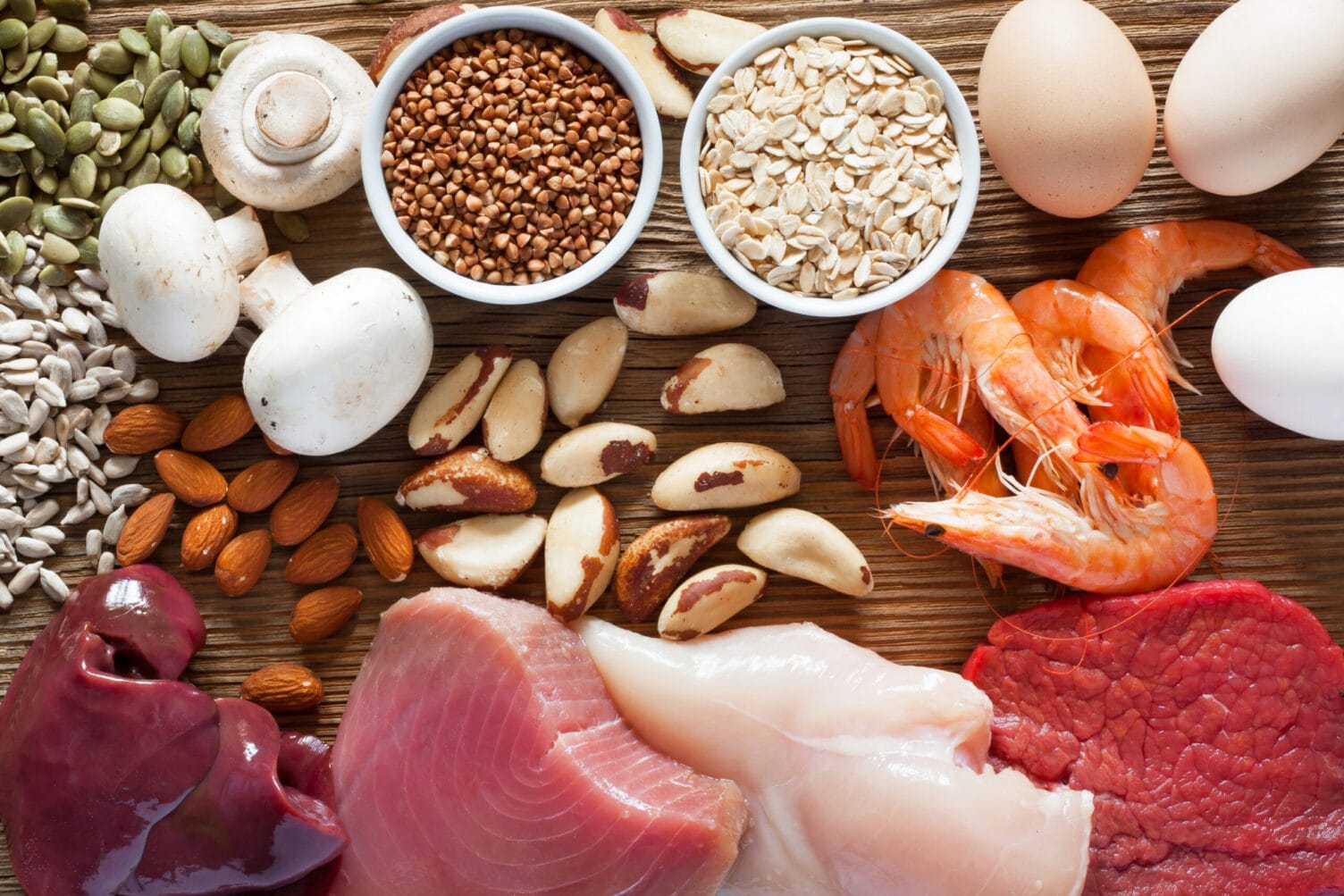
Your social feed may have introduced you to ironmaxxing, a viral food trend circulating across TikTok and fitness communities.
The idea is straightforward: increase iron intake through food to support overall health.
Iron is a mineral the body needs for growth and development. It helps produce hemoglobin, which carries oxygen through the blood, and myoglobin, which delivers oxygen to muscles. It also plays a role in hormone production (1).
The trend is gaining traction among women and runners, especially as training for 5K season ramps up.
But is this viral habit actually helpful or just another internet fad?
Continue reading to find out.
What Is the Ironmaxxing Viral Food Trend?
In practice, ironmaxxing means intentionally choosing foods that are high in iron and building meals in ways that may help the body absorb that iron more effectively.
Iron in food comes in two forms: heme iron, which comes from animal foods, and nonheme iron, which comes from plant foods and fortified products (1). The body absorbs heme iron more readily, which is one reason people who eat mostly plant-based diets may need higher iron intake overall (1).
Many of the foods highlighted in ironmaxxing videos are common iron sources, such as: (1,2)
- Lean meat, poultry, and seafood
- Eggs
- Beans and lentils
- Spinach and leafy greens
- Nuts and seeds
- Iron-fortified cereals and breads
However, not all of these foods are as high in iron as they’re often perceived to be. Some—like eggs, poultry, or certain leafy greens—do contain iron, but in smaller amounts compared to foods like organ meats or fortified products. (2)
“The concept itself isn’t new,” says Katherine Basbaum, MS, RD, MyFitnessPal dietitian. “Iron has always been an important nutrient, but the trend is getting more people to pay attention to whether their meals actually include enough of it.”
In many ways, the trend reflects a broader shift on social media, where people focus on optimizing specific nutrients rather than simply counting calories.

Who May Need to Pay Closer Attention to Iron
Most people in the United States meet their iron needs through diet. Still, some groups are more likely to have low iron levels (1).
- Teen girls
- Women with heavy periods
- Pregnant women
- Infants
- Frequent blood donors
- People with certain gastrointestinal conditions or chronic diseases
- Endurance athletes, especially runners
Endurance athletes—especially runners—may be more vulnerable to low iron because iron supports oxygen transport and muscle function, and training itself can increase iron losses or make it harder to maintain healthy iron stores. Female athletes may face an even higher risk because menstrual blood loss can further lower iron levels (1,9).
Adult women ages 19–50 are generally recommended to get about 18 mg of iron per day, compared with 8 mg per day for adult men. During pregnancy, iron needs increase even further, reaching about 27 mg per day (1).
When iron levels drop too low, iron deficiency anemia can develop. Symptoms may include: (1)
- Fatigue
- Weakness
- Difficulty concentrating
- Reduced exercise performance
These symptoms occur because the body’s tissues receive less oxygen (1).
Together, these factors help explain why the conversation around ironmaxxing often resonates with women and runners.

What Foods Are High in Iron Content?
If you’re curious about the trend, one of the first questions is what foods are high in iron content.
Iron-rich foods include both animal and plant sources. Here are some examples: (1,2)
- Oysters
- Liver (chicken, turkey, lamb, beef, duck, goose, or pork)
- White beans, kidney beans, lentils, cowpeas, and black beans
- Spinach (cooked or canned) and Swiss chard
- Soybeans
- Pumpkin seeds and sesame seeds
- Nuts
- Iron-fortified cereals and oatmeal
- Dried seaweed and spirulina
- Unsweetened cocoa powder
- Sun-dried tomatoes
Because iron is found in many different foods, a varied diet is one of the best ways to support adequate intake (1).
How to Maximize Iron Absorption
“People often focus on the amount of iron in a meal,” says Basbaum “But how that meal is built matters too. Small changes in food pairings can make a meaningful difference in how much iron your body absorbs.”
What can help
Vitamin C is one of the strongest helpers for nonheme iron absorption (3). Pairing plant-based iron foods with vitamin C–rich foods can help your body absorb more of the iron in the meal.
Animal proteins can help too. Meat, poultry, and seafood don’t just provide iron themselves—they can also improve the absorption of nonheme iron from plant foods eaten in the same meal (1,3).
Fermented foods may offer another boost. Lactic acid fermentation has been shown to improve nonheme iron absorption, which is one reason foods like sauerkraut and sourdough may be helpful additions in some meals (3).
What can get in the way
A few everyday habits can make it harder for your body to absorb iron, here are some examples: (3)
- Drinking coffee or tea with meals
- Taking antacids
- Eating a diet that is extremely high in fiber
- Consuming calcium-rich foods like milk, yogurt, or cheese with iron-rich meals
Coffee and tea may significantly reduce iron absorption if consumed with meals, so it’s often best to drink them at least an hour away from iron-rich foods. Calcium can also interfere with iron absorption when eaten at the same time (3).
One more interesting detail is that cooking with cast iron cookware can slightly increase the iron content of food, because small amounts of iron may transfer from the pan into the meal (2).

How to Increase Iron Levels Safely
If you’re trying to figure out how to increase iron levels, food is usually the first place to start.
Most people in the United States meet their iron needs through diet. Still, certain groups are more likely to have low iron levels. These include teen girls, women with heavy periods, pregnant women, infants, frequent blood donors, and people with certain gastrointestinal conditions or chronic diseases (1).
“For most people, the goal isn’t to overload on iron,” says Basbaum. “It’s simply making sure iron-rich foods show up regularly in your meals.”
Supplements may sometimes be prescribed, but more is not always better. High doses of iron supplements can cause stomach upset, constipation, nausea, abdominal pain, vomiting, and diarrhea (1).
In healthy adults, the daily upper limit for iron from food, beverages, and supplements combined is 45 mg per day, unless a healthcare provider recommends otherwise (1).
Tracking meals in tools like MyFitnessPal can also help you see how much iron you’re getting from everyday foods and whether your meals include a good mix of nutrients overall.
Frequently Asked Questions (FAQs)
Ironmaxxing is a viral food trend focused on increasing dietary iron intake through food choices and meal-planning strategies.
- What foods are high in iron content?
Foods high in iron include oysters, liver, beans and lentils, leafy greens like spinach, soybeans, seeds, nuts, iron-fortified cereals and oatmeal, and certain plant foods like cocoa powder and sun-dried tomatoes. (1,2)
- Why are women more likely to need iron?
Women of reproductive age generally need more iron because menstrual blood loss can reduce iron stores over time. Adult women ages 19–50 need about 18 mg per day, compared with 8 mg for adult men (1).
- How can I maximize iron absorption?
Pairing iron-rich foods with vitamin C-rich foods can help, while drinking tea or coffee with meals may reduce absorption (1,3).
- Can you get too much iron?
Yes. Too much iron, especially from supplements, can be harmful. High intakes can cause digestive side effects, and the upper limit for teens and adults is 45 mg per day unless otherwise directed by a healthcare provider (1).
Bottom Line
The ironmaxxing trend may have gained popularity online, but the core idea behind it is rooted in basic nutrition.
Iron is an essential mineral that supports oxygen transport, muscle function, and overall health. (1,2).
For groups like women of childbearing age and frequent blood donors, paying attention to iron intake can be especially important (1).
Instead of treating ironmaxx as a strict rule, it may be more helpful to think of it as a reminder: include iron-rich foods regularly, build balanced meals, and understand how to maximize iron absorption.And if you’re curious how your daily meals contribute to your nutrient goals, tools like MyFitnessPal can help you track iron intake alongside the rest of your nutrition.
