
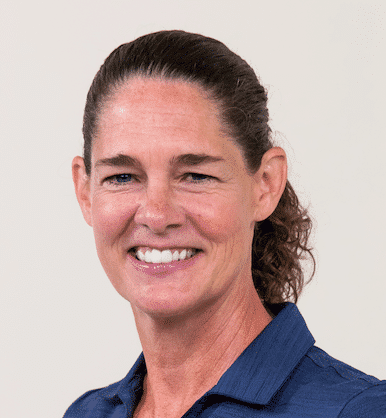
“What set me apart over 20+ years as a trainer and business owner was my commitment to keep learning. Education made me a better coach, a stronger leader, and a more trusted professional. If you want to grow your impact, serve clients at a higher level, and stand out in a crowded field, invest in your development every step of the way.”
– Diane Vives, M.S., AFPA Senior Director
In the health and fitness industry, growth is not optional.
Your clients depend on you to stay informed, credible, and current. Science evolves. Best practices shift. New tools emerge. Continuing education is how coaches stay sharp and effective.
Yet the reality is that many coaches are already stretched thin.
They manage client sessions, programming, communication, marketing, business operations, and not to mention their own personal wellness. Adding continuing education to an already full schedule can feel overwhelming. Many coaches struggle with balancing learning and client sessions while maintaining energy and focus.
The good news is that it is possible to create a sustainable rhythm. Coaches who thrive long term approach continuing education planning strategically. They treat professional development as part of their business model, not an afterthought.
Here is how experienced professionals build systems that support both client success and ongoing growth (without burning out).
Why Continuing Education Is Non-Negotiable
Before we talk about logistics, it helps to revisit why continuing education matters so much for coaches.
First, it protects your credibility. Certification renewal requirements, such as those for personal trainer continuing education, ensure that you remain aligned with current research and ethical standards. In a field that directly impacts people’s health, this is critical.
Second, it strengthens client outcomes. When you deepen your understanding of behavior change science, nutrition strategies, corrective exercise, stress management, or emerging research, you can serve your clients at a higher level.
Third, it supports your own career longevity. Professional development for coaches opens doors to specialization, leadership roles, and diversified income streams. It keeps your work interesting and intellectually stimulating.
And finally, it builds confidence. When you are actively learning, you can show up to client sessions with clarity and authority.
This is how AFPA Senior Director Diane Vives puts it:
“I’ve been fortunate to experience success as a strength and conditioning specialist, personal trainer, and business owner, and I credit so much of that success to staying curious, staying humble, and committing to my ongoing education.
Learning didn’t just improve my services; it expanded my perspective, connected me to incredible thought leaders, and shaped the way I served both clients and my team. The energy I put into my education came back exponentially in growth, impact, and revenue. Education was my superpower.”
The challenge is not whether to pursue continuing education. The challenge is how to integrate it into a sustainable coaching workload balance.
Unlock Unlimited CE with CE Advantage
Why stop at just one course? With AFPA CE Advantage, you’ll get unlimited access to our entire continuing education catalog—including 90+ courses across nutrition, fitness, wellness, and specialty topics. Perfect for health coaches, nutrition professionals, and fitness experts, CE Advantage ensures you’ll always have the latest research and practical tools to better serve your clients.
Exclusive member perks include:
- Unlimited access to the full CE library
- New courses released each month
- Renewal fees waived for active subscribers
- Unlimited re-tests at no extra cost
- 10% discount on AFPA certifications
Keep your credentials current, expand your expertise, and save money with one simple subscription.
The Real Challenge: Time, Energy, and Cognitive Load
It’s easy to underestimate the true demands of your schedule. Client-facing hours are only part of the picture. Behind each one-hour session is additional time spent reviewing notes, programming, checking messages, updating files, and preparing for the next appointment. Add marketing, billing, and administrative tasks, and your calendar fills up quickly.
This is where continuing education planning and time management become essential.
Learning requires focus and mental bandwidth. If you try to squeeze coursework into the final 20 minutes of an exhausting day, retention suffers. You may technically complete the requirement, but you are not truly integrating the material.
Balancing learning and client sessions is not about cramming more into your schedule. It is about designing your week with intention.
Shift Your Mindset: Education as Business Infrastructure
One of the most effective mindset shifts is to view coaching continuing education as business infrastructure.
You would not skip updating your liability insurance. You would not ignore client documentation. Continuing education deserves the same respect.
When you build professional development directly into your planning process, it stops feeling like an interruption and becomes part of how your practice operates.
This approach can also help you align learning with your business goals. For example:
- If you are a personal trainer who wants to move into corrective exercise, choose continuing education that builds your skills in movement assessment, mobility, and exercise modification.
- If you want to work more deeply with clients on habit change, seek out coursework in motivational interviewing, behavior change psychology, and client-centered coaching.
- If you plan to launch small group training, prioritize continuing education in group dynamics or program design.
Strategic alignment prevents random course accumulation and instead creates purposeful growth.
Start Early and Plan Ahead
AFPA graduate Katya Schade shared with us a practical strategy she uses. She said:
“I start early after my certs renew. I put reminders in my calendar well before renewal time. I also look for free classes or summits from collaborative companies in the industry that would qualify.”
This advice reflects strong continuing education planning.
Rather than waiting until the final months before renewal, begin shortly after your certification period resets. Spreading coursework out over time reduces pressure dramatically.
Set calendar reminders 6 to 12 months before renewal deadlines. Break your required credits into manageable segments.
Early planning supports coaching workload balance and protects your mental energy.
Time Blocking for Continuing Education
Time blocking is one of the most effective continuing education time management tools.
Instead of leaving learning to chance, schedule it like a client appointment. This might look like:
- Two hours every Friday morning reserved for coursework
- One evening per week dedicated to reading or watching lectures
- A monthly half day focused on professional development
The key is consistency. When education is already on your calendar, you reduce decision fatigue and don’t have to wonder when you will fit it in.
Equally important is protecting that time. Avoid booking clients during these blocks unless absolutely necessary. Treat them as non-negotiable commitments to your growth.
Coaches who consistently practice balancing learning and client sessions this way report lower stress and greater retention of new material.
Design Your Client Schedule Intentionally
Client scheduling has a direct impact on your ability to learn.
Many early career coaches stack back-to-back sessions from morning to evening. While this may increase short term revenue, it can also lead to burnout and reduced cognitive capacity.
If possible, cluster client sessions into defined windows and leave clear breaks in your week. For example:
- Mornings dedicated to client sessions
- Afternoons reserved for administrative work and continuing education
- One lighter day per week for deeper study
Even small shifts can improve coaching workload balance.
If you operate independently, evaluate your revenue model. Would raising rates slightly allow you to reduce one or two sessions per week and reclaim time for education and recovery? Sustainable business growth often requires strategic adjustments.
Choose Education That Moves the Needle
When selecting coaching continuing education opportunities, look for programs that are evidence-informed, reputable, and directly relevant to your client population.
Quality matters more than quantity. One well-designed course that transforms your practice is more valuable than multiple surface-level webinars.
This is where strong continuing education planning pays off. Define your goals before enrolling.
Ask yourself:
- What client challenges do I encounter repeatedly?
- Where do I feel less confident?
- What niche do I want to develop over the next two years?
Let your answers guide your professional development decisions.
Integrate Learning Directly Into Practice
Another helpful way to balance learning and client sessions is to integrate new knowledge immediately.
As you complete a module on behavior change, experiment with one new coaching question in your next client session. After studying a new programming method, apply it to a specific client case.
This reinforces retention and makes learning feel practical rather than abstract.
It also strengthens coaching practice management. You can refine systems, intake forms, or session structures based on updated knowledge.
By seeing education as something that enhances daily work, rather than competes with it, you might find it increases your motivation.
Use Micro Learning Strategically
Not all learning has to occur in large blocks. Micro learning can support continuing education time management when used thoughtfully. Listening to a research-based podcast during a commute or reviewing a short article between sessions can supplement formal coursework.
However, micro learning should complement structured education, not replace it. Deep understanding requires focused study.
When used intentionally, shorter learning moments can reinforce key concepts and keep you connected to industry developments without overwhelming your schedule.
Protect Your Recovery
Balancing client work and continuing education is not only about time; it’s also about energy.
High-quality coaching requires emotional presence. Continuing education requires cognitive effort. Both draw from the same mental resources.
If you neglect sleep, nutrition, or stress management, neither your clients nor your education will receive your best.
Strong coaching workload balance includes personal wellness. Model the behaviors you teach: schedule workouts, recovery, and downtime as deliberately as you schedule client sessions.
Sustainable professional development is built on sustainable personal habits.
Collaborate and Learn in Community
Who says learning has to be done alone? Online communities, virtual forums, and social platforms give coaches space to connect with peers across the globe. Whether you are part of a private alumni group, an industry-specific membership community, or an active discussion thread for health and fitness professionals, these spaces can become powerful extensions of your continuing education.
Community strengthens accountability in a unique way. When you share what you are currently studying, reflect on new research, or ask thoughtful questions in a professional forum, you reinforce your own understanding. Explaining a concept to another coach requires clarity. Discussing how you plan to apply a new strategy in client sessions bridges the gap between theory and practice.
Instead of carrying the weight of growth alone, you can be part of an ongoing conversation about best practices, evolving science, and real-world application. Over time, these online networks can become invaluable spaces that feel collaborative and energizing.
Track Your Credits and Progress
Administrative organization is an often-overlooked part of continuing education planning.
Maintain a simple tracking system that includes:
- Course titles
- Credit amounts
- Completion dates
- Renewal deadlines
- Certificates stored in a secure digital folder
Strong coaching practice management includes documentation. Staying organized prevents last-minute stress and ensures compliance with certification requirements.
This is especially important when multiple credentials are involved.
Revisit Your Long-Term Vision Annually
At least once per year, step back and assess your trajectory.
Are your continuing education choices aligned with your evolving goals? Has your client demographic shifted? Are you moving toward a specialty?
Professional development for coaches is not static. It should evolve with your career.
When you connect continuing education to a larger vision, it becomes energizing rather than burdensome.
The Long Game: Sustainable Growth
The most successful coaches understand that their careers are marathons, not sprints.
They resist the temptation to overload their calendars. They plan education early. They protect time for study. They align coursework with business goals. They prioritize recovery.
Balancing learning and client sessions is an ongoing process, not a one-time fix.
With thoughtful continuing education time management and intentional coaching workload balance, growth can be sustainable.
You do not have to choose between serving clients well and investing in yourself. In fact, the two are deeply connected!
When you commit to continuing education as part of your professional identity, you elevate your practice and strengthen your impact on the clients who rely on you.
Unlock Unlimited CE with CE Advantage
Why stop at just one course? With AFPA CE Advantage, you’ll get unlimited access to our entire continuing education catalog—including 90+ courses across nutrition, fitness, wellness, and specialty topics. Perfect for health coaches, nutrition professionals, and fitness experts, CE Advantage ensures you’ll always have the latest research and practical tools to better serve your clients.
Exclusive member perks include:
- Unlimited access to the full CE library
- New courses released each month
- Renewal fees waived for active subscribers
- Unlimited re-tests at no extra cost
- 10% discount on AFPA certifications
Keep your credentials current, expand your expertise, and save money with one simple subscription.
Reviewed by
Diane Vives, M.S.
Senior Director, Health & Wellness Professional Education
