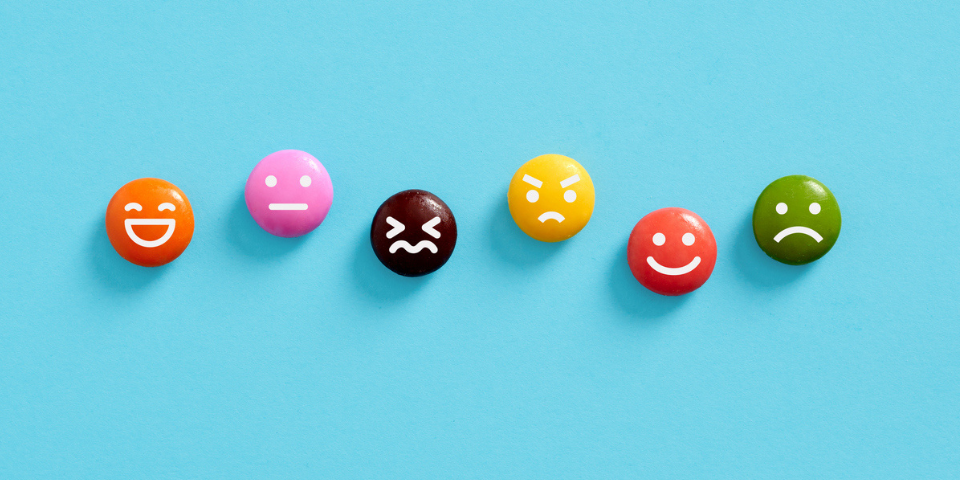
Maybe you’re having a relatively relaxed day, when a minor inconvenience suddenly makes your blood boil. Or perhaps you’re watching a random commercial and catch yourself crying for no reason. If either or both sound familiar, you know how disruptive rapid mood swings can be.
Most people deal with mood swings from time to time, but some can be more systemic than others, representing something larger. Either way, there are simple steps you can take to keep moodiness to a minimum. Here’s what you need to know.
What Are Mood Swings?

Mood swings are sudden and intense changes in your emotions.
It’s normal for your mood to shift throughout the day to reflect your current situation. For example, your vibe is naturally going to be different when you’re relaxing on your couch than when you’re stuck in bumper-to-bumper traffic on your morning commute.
Mood swings, however, can feel like an emotional rollercoaster. You may abruptly go from happy to sad, or from calm to angry, and your emotions may feel out of control or unpredictable.
“Everyone has emotional ups and downs — it’s part of being human,” says Harold Hong, MD, a board-certified psychiatrist. “But mood swings are more intense, often come on suddenly, and can feel disproportionate to what’s happening around you.”
Mood Swings: Symptoms
When it comes to emotionally-charged situations, some people are naturally more sensitive than others — and that’s OK. But if you’re dealing with mood swings, that can sometimes signal an underlying health issue.
So, how can you tell if you’re having a healthy emotional response versus extreme mood swings? According to Dr. Hong, some telltale signs of mood swings include:
- Sudden or extreme changes in mood for no apparent reason
- Emotional shifts that can disrupt your relationships, work, or daily activities
- A pattern of emotional changes that aligns with your menstrual cycle or the start of perimenopause or menopause
“Hormonal mood swings also tend to come with other physical symptoms — like fatigue, hot flashes, night sweats, or changes in appetite,” Dr. Hong adds. “On the other hand, mood swings caused by mental health issues are typically more persistent and less cyclical. Speaking with a healthcare provider and possibly getting your hormone levels checked can help pinpoint the cause.”
What Causes Mood Swings?
It may feel like mood swings strike for no good reason, but there are a few factors that can trigger these sudden highs and lows.
Hormones

“Hormones play a massive role in regulating our mood,” Dr. Hong says. “When they fluctuate, our emotional state often follows.” There are a few key ways in which hormones can contribute to sudden changes in mood:
- Your monthly cycle. Changes in estrogen and progesterone levels throughout the menstrual cycle can cause mood swings for many women, Dr. Hong says. One study found that 64 percent of women experience mood swings as a symptom of premenstrual syndrome (PMS).
- Hormone transition periods. Research suggests the major hormonal shifts during perimenopause, menopause, and the postpartum period can have a profound effect on mood. “For example, during perimenopause, dropping estrogen levels are linked to irritability, anxiety, and feelings of sadness,” Dr. Hong says. Around 40 percent of women experience mood symptoms during perimenopause, and up to 85 percent of women deal with postpartum mood swings.
- Other hormone changes. Any time your hormones are a bit out of balance, it can impact your mood — and that can affect anyone. “Men aren’t immune to hormonal mood swings,” Dr. Hong says. “Testosterone levels naturally decline with age, and sudden drops or imbalances can cause irritability and fatigue.”
Stress
“Stress is one of the biggest drivers of mood swings,” Dr. Hong says. “When you’re stressed, your body releases cortisol — which, in small doses, is helpful. But when it builds up over time, it can wreak havoc on your mood, sleep, and overall health.”
Lack of sleep
Research suggests skimping on sleep can lead to a more negative mindset and make it harder to manage your emotions. “Sleep and mood are deeply intertwined,” Dr. Hong says. “Poor sleep can amplify irritability, anxiety, and emotional instability.”
Sedentary lifestyle

If you’re not getting enough movement, that can also affect your wellbeing. One study found that just 30 extra minutes of sedentary time per day led to increased mood disturbances after only two weeks. “Exercise is one of the most potent tools for stabilizing mood swings,” Dr. Hong says.
Poor nutrition
What you eat can affect brain function, including your ability to regulate mood. Refined sugars are one of the biggest culprits — not only can they spike your blood sugar, which can trigger mood swings, but research suggests that excessive sugar consumption can affect your emotional response to stress and anxiety.
Underlying conditions
Occasionally, mood swings can signal a more serious issue such as a mood disorder, a medication side effect, or an underlying medical issue that’s causing a hormone imbalance. “If mood swings persist, become disruptive, or feel overwhelming, you should contact a healthcare professional,” Dr. Hong says.
How to Reduce Mood Swings Naturally
No matter what’s causing your mood swings, there are simple steps you can take to help stabilize your mood.
1. Exercise routinely

Regular activity not only benefits your physical health, but it can also help to combat mood swings. “Moving your body releases endorphins — your brain’s natural ‘feel-good’ chemicals — which can immediately improve your mood,” Dr. Hong says. “Aerobic activities like running, brisk walking, or swimming are particularly effective because they reduce stress hormones like cortisol.”
Pilates and tai chi are also excellent because they combine physical movement with relaxation techniques.
2. De-stress consistently
Over time, chronic stress can lead to anxiousness and fatigue, as the physiological response persistently places you in a harrowing and exhausting state of high alert. This can can make it difficult to control your emotions, so it’s important to make stress relief part of your daily self-care routine.
“Techniques like deep breathing, mindfulness meditation, journaling, or spending time in nature are simple yet powerful ways to reduce stress,” Dr. Hong says. “Short breaks during a hectic day can lower cortisol levels and improve emotional stability — so build time into your day for hobbies, relaxation, and social connections.”
3. Spend time outdoors daily
In a study of more than 400,000 participants, researchers found that more exposure to outdoor light was associated with greater happiness and fewer dips in mood.
“Natural light helps regulate your body’s internal clock and boosts vitamin D production, which is essential for emotional health,” Dr. Hong says. “Being in nature also reduces stress hormones like cortisol while increasing serotonin levels, helping you feel calmer and more balanced.”
4. Limit common trigger foods

“Too much sugar, caffeine, or alcohol can cause energy crashes and emotional swings,” Dr. Hong says. To keep your mood steady, he recommends eating a balanced diet of whole grains, fruits, vegetables, and lean proteins, along with omega-3 fatty acids for brain health and mood support.
5. Fill in your nutritional gaps
Along with eating a balanced diet, a supplement routine can help ensure you’re not missing out on specific nutrients than can help to support a normal mood. Dr. Hong recommends including these:
- Omega-3 fatty acids — particularly EPA and DHA, found in fish oil — may help support emotional health
- Vitamin D deficiency has been shown to negatively impact mood
- Calcium and magnesium may help benefit PMS-related mood swings
- Vitamin B6 may help support brain function and emotional balance
6. Track your cycle
Hormonal mood swings often follow a pattern that aligns with your period. “Tracking your menstrual cycle can help you anticipate mood changes and plan self-care,” Dr. Hong says. Small changes — like regular exercise, a balanced diet, and consistent sleep — can go a long way toward easing hormone-related mood swings, he adds.
7. Aim for at least 7 hours of sleep
Sleep is a foundational pillar of personal health, so it’s no surprise that it helps with mood swings too. “Consistent, quality sleep can help regulate your emotions and improve resilience to stress,” Dr. Hong says. He suggests aiming for at least seven hours of uninterrupted sleep, with a relaxing bedtime routine that ideally includes powering down your devices two hours before you go to bed.
